
Each wedding anniversary has its traditional name, from paper or cotton in the first years to gold at fifty. Tradition also links a flower to many of these milestones. The lists vary from one source to another; this one follows the most common correspondences in France, with what each flower says. In English-speaking countries the list is very close, with a few differences noted below.
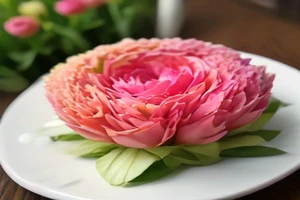
The calendar of anniversary flowers
| Year | Anniversary | Flower |
|---|---|---|
| 1 year | Paper / cotton | Lily of the valley |
| 2 years | Cotton / leather | Cosmos |
| 3 years | Leather / wheat | Sunflower |
| 4 years | Linen / wax | Hydrangea |
| 5 years | Wood | Daisy |
| 6 years | Iron / sugar | Calla lily |
| 7 years | Wool / copper | Freesia |
| 8 years | Bronze | Clematis |
| 9 years | Pottery | Poppy |
| 10 years | Tin | Narcissus |
| 11 years | Steel / coral | Tulip |
| 12 years | Silk | Peony |
| 13 years | Lace | Chrysanthemum |
| 14 years | Ivory | Dahlia |
| 15 years | Crystal | Rose |
| 20 years | China | Aster |
| 25 years | Silver | Iris |
| 30 years | Pearl | Lily |
| 40 years | Ruby | Gladiolus |
| 50 years | Gold | Yellow rose or violet |
The anniversary names are the usual English ones, with the French name after the slash when it differs. In the American list of anniversary flowers, the first year is often the carnation and the second lily of the valley, the eighth is lilac, the ninth bird of paradise and the tenth the daffodil.
The first years: what is beginning
Lily of the valley in the first year promises the return of happiness: it is given to say that everything is beginning.
The cosmos of the second year speaks of harmony and peace in the couple. The sunflower, at three years, speaks of admiration and faithfulness: the other has become your sun. The pink hydrangea, at four years, symbolizes attachment and the abundance of a home taking shape. The daisy of the fifth year, the flower of “he loves me, he loves me not”, speaks of simplicity and tenderness.
The ten-year milestone: a love that lasts
The poppy of the ninth year speaks of a love that knows how to enjoy the moment; the narcissus of the tenth year, cousin of the daffodil, of a desire that has stayed intact.
The red tulip, at eleven years, is a reminder that after a decade love can stay ardent. The peony, flower of the twelfth year, wishes a happy and prosperous marriage. The red chrysanthemum, chosen at thirteen years, declares an intense love; just avoid white if the couple is French, as it is too closely linked to mourning there. The dahlia, at fourteen years, celebrates gratitude and a love that has lost none of its strength.
Finally, the red rose returns at fifteen years and at every great milestone: you can give as many roses as years spent together.
The great anniversaries
At the china anniversary, the aster speaks of the patience and elegance of a matured love. At the silver anniversary, the iris expresses the emotion of a gaze that has never tired. At the pearl anniversary, the lily brings the serenity of a settled couple. The gladiolus of the fortieth year, a flower of strength of character, salutes a story that has come through its trials.
For the golden anniversary, there are two choices: the violet, for the quiet faithfulness of long stories, or the yellow rose, which echoes the color of gold. In that case, its old meaning of jealousy is gladly forgotten: after fifty years, only the light remains.
Choosing with the heart rather than the calendar
This calendar is a guide, not a rule. A flower that recalls a shared memory, the one from the bridal bouquet or from the first trip together, will always mean more than a variety imposed by tradition. You can also combine the two: the flower of the year, surrounded by the one that belongs to the couple.
For the engagement day, see also the flowers of an engagement bouquet.